
FIELD NOTE · FIB CIRCUIT EDIT · DOWNLOADABLE FIELD NOTE
Modify the circuit.Preserve the experiment.
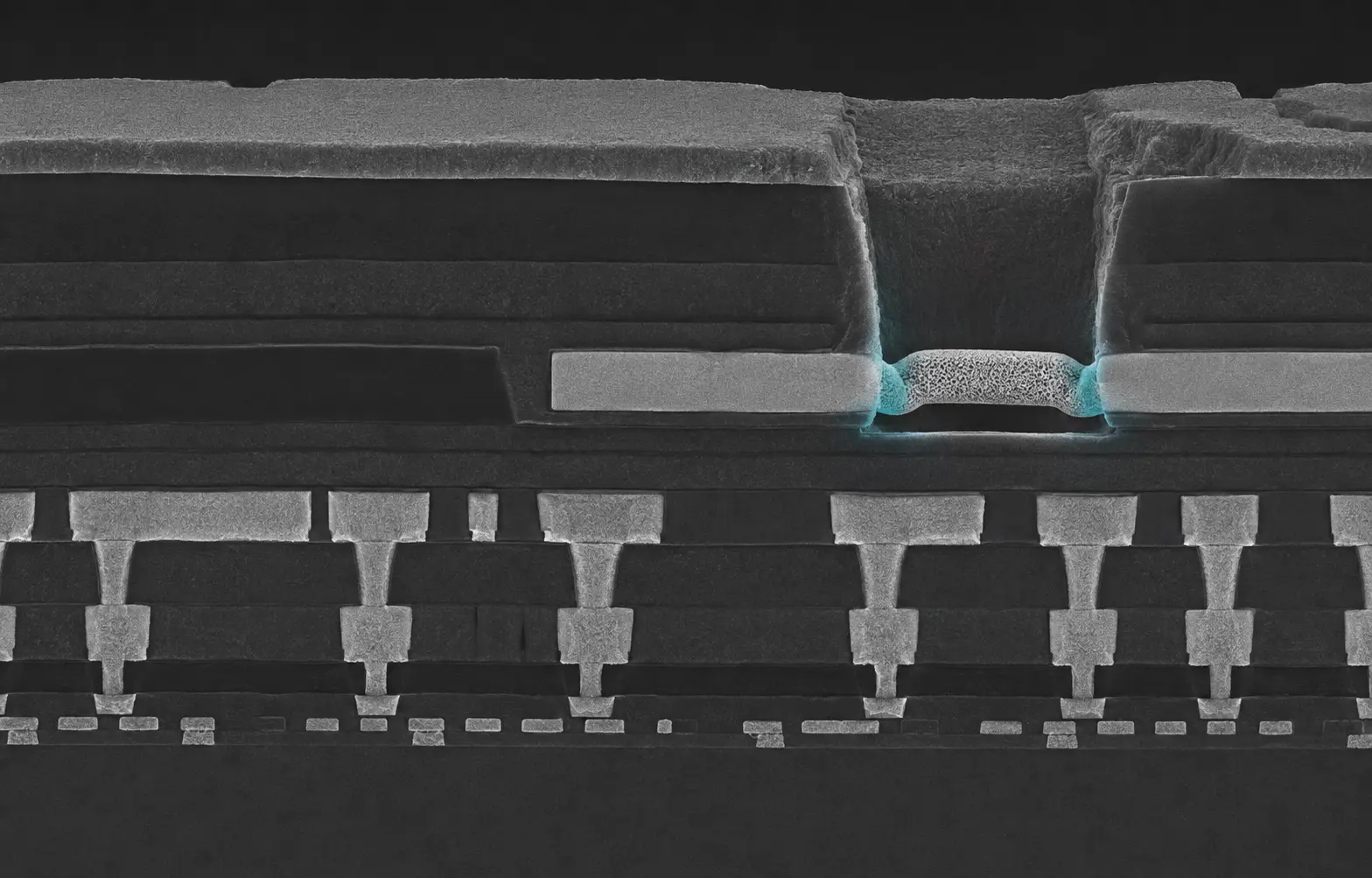
A circuit-edit workflow for turning a hypothesis-driven physical modification into a traceable experiment—connecting navigation, milling, deposition, electrical verification, functional response, and failed attempts.
THE WORKFLOW AT A GLANCE
Six stages.
One durable evidence chain.
The value of circuit edit is not only that the device changed. It is that the change tested a specific engineering belief.
- 01Hypothesize
Define the electrical or design behavior being tested, expected response, edit strategy, risks, and conditions that would falsify the hypothesis.
- 02Register
Correlate layout, navigation images, fiducials, layer depth, alignment offset, and device orientation before exposing the target.
- 03Expose
Open the edit window while controlling protective deposition, milling depth, redeposition, charging, endpoint, and damage to adjacent structures.
- 04Edit
Sever, isolate, deposit, reconnect, or create access using recorded geometry, materials, process parameters, and intermediate verification.
- 05Verify
Confirm continuity, isolation, geometry, collateral effects, and functional behavior using imaging and electrical evidence.
- 06Learn
Preserve successful and failed edits as comparable knowledge linked to design intent, physical execution, verification, and outcome.
INSIDE THE PAPER
Built for the workbench,
and the record.
01Original hypothesis and design intent
02Layout registration and navigation history
03Complete cut, mill, and deposition parameters
04Before, intermediate, and after imagery
CONTINUE THE FIELD NOTES